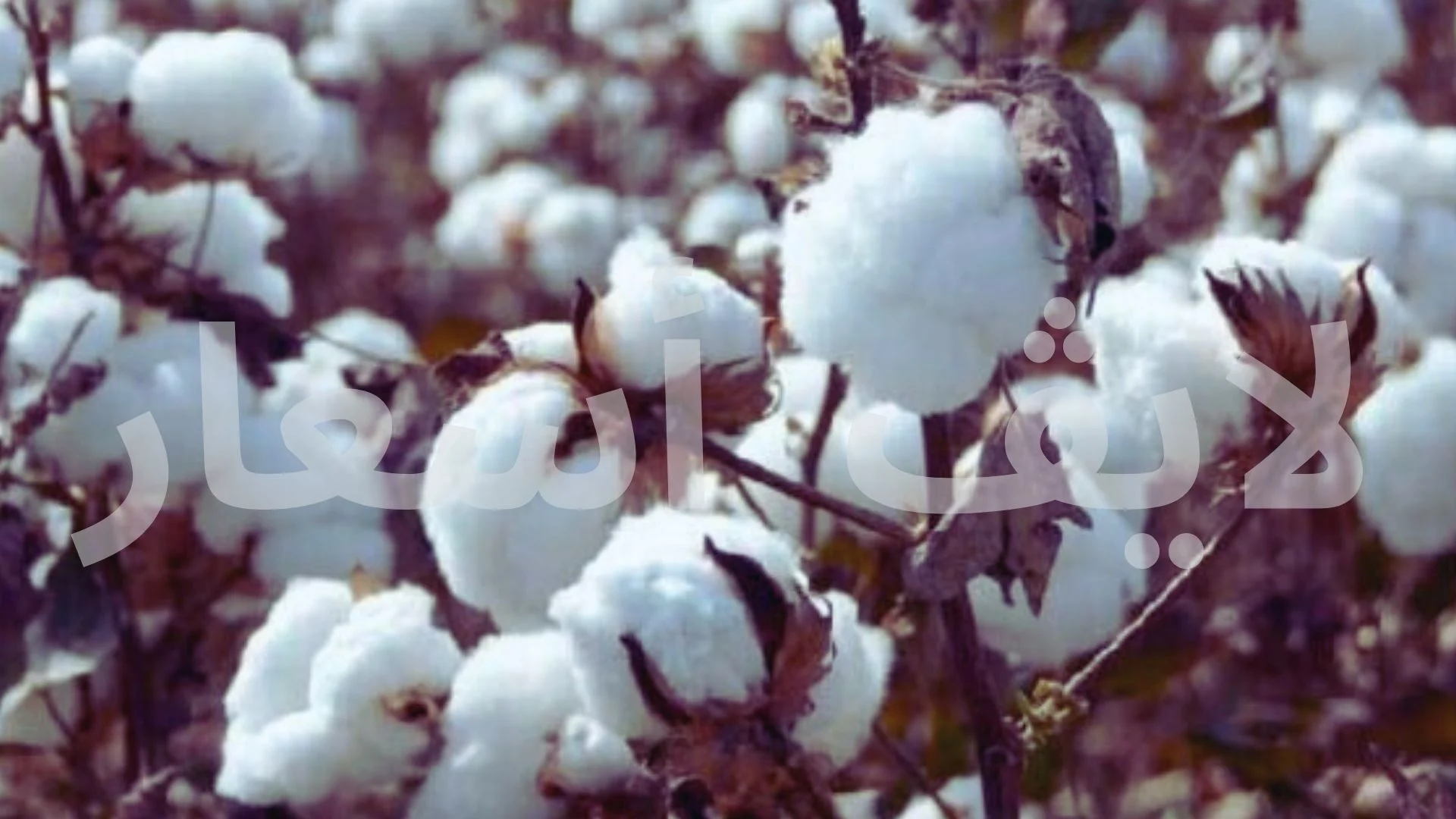
القطن المصري يُعرف بلقب “الذهب الأبيض” نظرًا لقيمته الاقتصادية العالية وجودته الفائقة. يُعد من أفضل أنواع القطن في العالم، حيث يتميز بطول التيلة ونعومة الخيوط، مما يجعله مثاليًا لإنتاج الأقمشة الفاخرة والمريحة. يستخدم القطن المصري في صناعة أفخم أنواع الملابس، التي تتميز بقدرتها على التهوية وامتصاص الرطوبة، مما يجعلها مناسبة للاستخدام في فصول الصيف والربيع.
أنواع القطن المصري وأهميته
القطن المصري يتنوع بين عدة أنواع، وكل نوع يتميز بخصائص فريدة تجعله مفضلًا في صناعات معينة. من بين هذه الأنواع:
- جيزة 43: يمتاز هذا النوع بنعومته الفائقة، لكنه يمثل نسبة ضئيلة من الإنتاج المصري، حوالي 0.4%. يُستخدم في إنتاج الأقمشة الفاخرة والملابس ذات الجودة العالية.
- جيزة 94: يُعد من الأنواع الأكثر شيوعًا ويُستخدم في مجموعة واسعة من التطبيقات، من الملابس إلى الأقمشة المنزلية.
- جيزة 96: يُعتبر من الأنواع الممتازة التي تستخدم في صناعة الملابس الفاخرة بفضل جودته العالية.
- جيزة 97: يتميز أيضًا بجودة عالية ويُستخدم في صناعات متعددة.
- جيزة 86: يُستخدم في إنتاج الملابس اليومية والأقمشة المختلفة نظرًا لجودته ومتانته.
أهمية محافظة كفر الشيخ في زراعة القطن
تعتبر محافظة كفر الشيخ من أهم المحافظات المصرية في إنتاج القطن، حيث تشكل مساحة زراعة القطن فيها نسبة كبيرة من إجمالي المساحات المزروعة في مصر. تبلغ المساحة المزروعة بالقطن في كفر الشيخ حوالي 108 ألف فدان، ما يعادل 32% من المساحة الكلية المزروعة بالقطن في مصر. هذه المحافظة تُعد مركزًا رئيسيًا لإنتاج القطن، مما يجعلها محطة هامة للتجار والمصنعين.
التأثير الاقتصادي لزراعة القطن

القطن يمثل مصدر دخل رئيسي للكثير من الفلاحين والعمال في مصر. من زراعته وجني المحصول إلى معالجته في المصانع وتصنيعه إلى منتجات نهائية، يساهم القطن في توفير فرص عمل وتحقيق دخل لعدد كبير من الأسر. إضافةً إلى ذلك، فإن القطن المصري يتم تصديره إلى العديد من الدول حول العالم، مما يعزز الاقتصاد الوطني ويزيد من دخل البلاد من العملات الأجنبية.
استخدامات القطن وفوائده المتعددة
القطن ليس فقط محصولًا زراعيًا، بل هو مادة خام تدخل في العديد من الصناعات. بفضل خواصه الماصة، يُستخدم القطن في المجال الطبي لصنع الضمادات والقطن الطبي المستخدم في العناية بالجروح. كما يدخل في صناعة الفوط الصحية ومنتجات الأطفال مثل الحفاضات. يُستخدم أيضًا في صناعة الملابس المتنوعة، من القمصان والسترات إلى الملابس الداخلية.
بالإضافة إلى ذلك، يُستخرج من بذور القطن زيت يُستخدم في الطهي وصناعة مستحضرات التجميل. كما تُستخدم بذور القطن كعلف للحيوانات، ويدخل القطن أيضًا في صناعة منتجات أخرى مثل المطاط والبلاستيك.
الأسعار الحالية لقنطار القطن في كفر الشيخ لعام 2024
تتغير أسعار القطن باستمرار بناءً على عوامل متعددة مثل جودة القطن، نوعه، وظروف السوق. فيما يلي بعض الأسعار الحالية:
- سعر قطن سوبر جيزة 94: يتراوح بين 15180 و15340 جنيه مصري.
- سعر جيزة 94 التجاري: يتراوح بين 14040 و15260 جنيه مصري.
- سعر قطن جيزة 96: يتراوح بين 16260 و17200 جنيه مصري.
- سعر سوبر جيزة 97: يبلغ حوالي 13500 جنيه مصري.
- سعر قطن جيزة 86 التجاري: يتراوح بين 14420 و14820 جنيه مصري.
هذه الأسعار تعكس التفاوت في جودة ونوع القطن، وهي مرجعية مهمة للمزارعين والتجار في تحديد قيم منتجاتهم.
بذلك، يُعد القطن المصري عنصرًا أساسيًا في الاقتصاد الوطني، ومصدر دخل مستدام للكثير من المصريين، بفضل جودته وتنوع استخداماته.