According to in-depth research by Xoilac, History of Santiago Bernabeu Stadium is a fascinating journey through the heart of Euhttps://www.barpleiades.com/ropean football. As the legendary home of Real Madrid, this arena has witnessed the rise of superstars and the crowning of numerous champions. From its inauguration in 1947 to its modern transformation, the stadium remains a global symbol of athletic excellence. Understanding its past helps fans appreciate the prestige associated with every match played on its hallowed turf.
Discovering the Rich History of Santiago Bernabeu Stadium
The Vision of a Legend and the Early Construction
The origins of this football cathedral can be traced back to the mid-1940s. At the time, the club’s president, Santiago Bernabéu, realized that the existing Estadio Chamartín was too small for the club’s growing fanbase. He envisioned a grand venue that would reflect the stature of the team. Consequently, the History of Santiago Bernabeu Stadium began in 1944 when the first stone was laid. Despite the economic challenges of the post-war era, the project moved forward with incredible ambition.
When the stadium officially opened on December 14, 1947, it was initially known as the Nuevo Estadio Chamartín. It featured a capacity of over 75,000, making it one of the largest and most modern facilities in the world. It wasn’t until 1955 that the board of directors voted to rename the venue in honor of the president. This name change solidified the History of Santiago Bernabeu Stadium as a tribute to the man who transformed Real Madrid into a global powerhouse.
Iconic Moments in the History of Santiago Bernabeu Stadium
Throughout the 1950s and 60s, the stadium became a fortress where the “White Legend” was forged. The arrival of players like Alfredo Di Stéfano and Ferenc Puskás turned the pitch into a stage for unprecedented success. Real Madrid’s dominance in the early years of the European Cup meant that the stadium hosted some of the most thrilling matches in continental history. This era of glory is a cornerstone in the History of Santiago Bernabeu Stadium, establishing its reputation as a theater where dreams become reality.
The atmosphere inside the ground is often described by opponents as “Miedo Escénico” or stage fright. The steep stands and the proximity of the fans to the pitch create a cauldron of noise that has intimidated the greatest players in the world. Over the decades, every blade of grass has seen the footwork of legends like Zinedine Zidane, Cristiano Ronaldo, and Raul, all of whom have added their own chapters to the venue’s storied past.
Witnessing the 1982 FIFA World Cup Final
One of the most prestigious milestones in the stadium’s timeline occurred during the 1982 FIFA World Cup. Spain was the host nation, and the Madrid arena was selected to host the grand final between Italy and West Germany. Over 90,000 spectators packed the stands to see Italy emerge victorious. This event elevated the History of Santiago Bernabeu Stadium to an international level, proving it could handle the pressure of the world’s most-watched sporting event with absolute grace and efficiency.
In addition to the World Cup, the venue has hosted four European Cup and Champions League finals. Each of these events required significant logistical coordination and structural updates, further driving the stadium’s evolution. These international showcases have ensured that the ground is recognized not just as a club stadium, but as a neutral temple for the “beautiful game” where fans from all nations come to pay their respects.
Evolution into a Futuristic Sports Hub
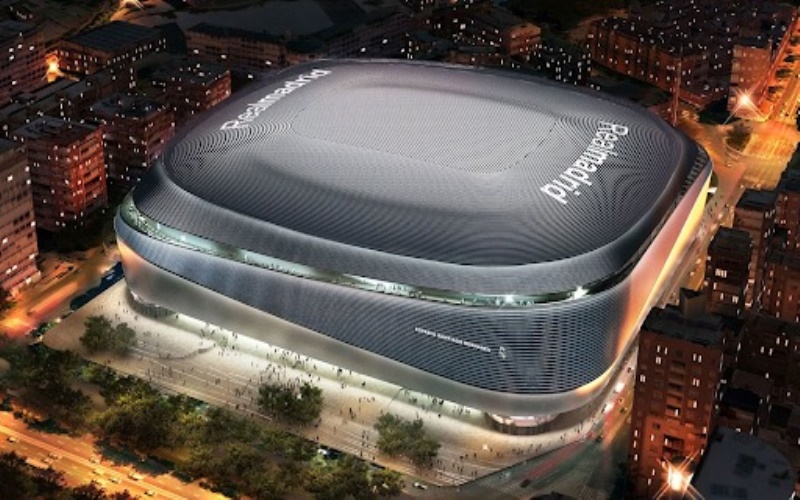
As football entered the 21st century, the need for a more versatile and technologically advanced facility became apparent. The club embarked on a massive renovation project that would redefine the History of Santiago Bernabeu Stadium for a new generation. This modernization included the installation of a revolutionary retractable roof and a sophisticated retractable pitch system. These features allow the stadium to host non-football events, such as concerts, basketball games, and even NFL matches, without damaging the hallowed grass.
Read more on Xoilac TV https://www.barpleiades.com/lich-thi-dau/
The exterior was also completely transformed with a wrap-around stainless steel façade that can project light and images. Inside, a 360-degree scoreboard provides fans with an immersive experience unlike any other in Europe. While the aesthetic has changed, the soul of the arena remains intact. This commitment to innovation ensures that the venue stays at the forefront of the sports industry, blending its historical prestige with the demands of the modern era.
Conclusion
In summary, the venue stands as a testament to the enduring legacy of Real Madrid and the sport of football. From the initial vision of a dedicated president to its current status as a futuristic landmark, the History of Santiago Bernabeu Stadium reflects a constant pursuit of perfection. It has served as the backdrop for iconic goals, emotional farewells, and historic triumphs that have shaped the global game.